
Telemarketing scams, especially robocalls offering fraudulent financial aid or deals, are prevalent in West Virginia, often bypassing Do Not Call lists. To protect themselves, residents should verify call sources, hang up on suspicious calls, avoid sharing personal info, and install blocking apps. Documenting calls and registering with national registries can reduce harassment. A lawyer for robocall West Virginia offers legal guidance on state protections, helping consumers navigate scams and seek remedies like complaints, damages, or class-action lawsuits.
In the digital age, West Virginia residents, like many across the nation, face a deluge of telemarketing calls, some of which can be fraudulent. With the rise of robocalls, consumers are increasingly vulnerable to various scams, from false investment schemes to identity theft. This article provides an in-depth look at the most common telemarketing scams plaguing West Virginia and equips readers with knowledge to protect themselves. We reveal strategies used by scammers and offer practical advice, including when to involve a lawyer for robocall West Virginia, ensuring residents can navigate these modern-day challenges effectively.
Unveiling West Virginia's Telemarketing Scams: A Comprehensive Guide
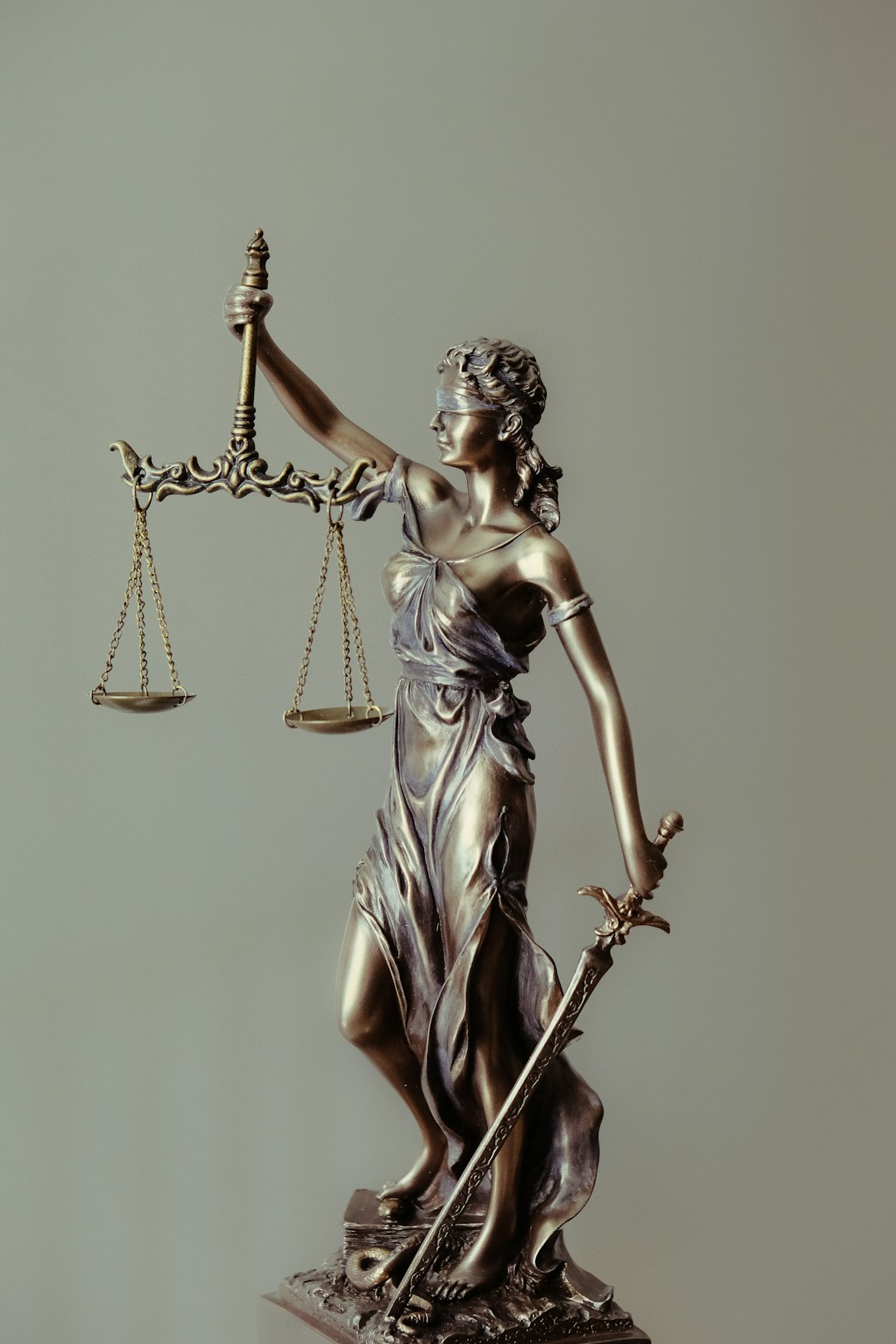
West Virginia residents, like many across the nation, face a constant barrage of telemarketing calls, some legitimate and others designed to trick and take advantage. Unveiling these scams is crucial to empowering consumers with knowledge and tools to protect themselves. According to the Federal Trade Commission (FTC), millions of fraudulent robocalls are made daily, targeting individuals across all demographics. In West Virginia, specific scams have emerged, leveraging both local businesses and residents' trust.
One prevalent scam involves imposter calls claiming to be from government agencies or reputable organizations offering financial relief, grants, or low-interest loans. These scammers often target seniors, using urgent language to create a sense of fear and urgency. For instance, calls may claim to be from the Social Security Administration, informing recipients of a significant refund due, but requiring immediate action over the phone to secure it. It's important to note that legitimate government agencies rarely initiate such calls and request personal information over the phone. A lawyer for robocall in West Virginia can offer specialized advice on dealing with these fraudulent calls and potential legal recourse.
Another common tactic involves pre-recorded messages from unknown sources, often promoting low-cost home services, legal aid, or health insurance. These robocalls can be particularly annoying and misleading. Consumers should exercise caution when receiving unsolicited calls offering seemingly too-good-to-be-true deals or requesting immediate responses. Verifying the caller's identity and company background through independent research is essential before engaging. Additionally, many states, including West Virginia, have implemented Do Not Call registries to filter out unwanted telemarketing calls; however, scammers often find ways around these regulations. A lawyer specializing in consumer protection can guide individuals on navigating these complexities and seeking justice for illegal robocalls.
Common Tactics: Recognizing Robocalls and Fraudulent Offers
In West Virginia, as across the nation, telemarketing scams continue to evolve, posing significant challenges for consumers. One of the most pervasive and insidious tactics involves robocalls and fraudulent offers. These automated calls, often using computer-generated voices, are designed to overpower and mislead recipients into providing personal information or making impulsive purchases. According to recent data from the Federal Trade Commission (FTC), West Virginia residents have reported thousands of such incidents annually, with losses totaling millions of dollars.
Recognizing these scams is the first line of defense for consumers. Robocalls often employ several common tactics to seem legitimate: they may mimic official-sounding voices, use pressure tactics like limited-time offers, or even claim to be from well-known organizations. For instance, calls purporting to be from government agencies or popular utilities companies have been particularly effective in tricking unsuspecting individuals into revealing sensitive data. A lawyer for robocall in West Virginia can provide crucial insights and guidance on navigating these complex legal issues, helping victims understand their rights and take appropriate action.
Practical advice includes verifying the source of any unexpected calls, hanging up immediately if a call feels suspicious, and never providing personal or financial information over the phone unless you initiated the call and are certain of the party's legitimacy. It's also beneficial to install call-blocking apps or register with the National Do Not Call Registry. By staying vigilant and adopting these precautions, West Virginia residents can better protect themselves from these insidious telemarketing scams.
Protecting Your Rights: What to Do & When to Consult a Lawyer for Robocall in West Virginia
Protecting your rights against telemarketing scams is a crucial aspect of navigating modern communication landscapes. In West Virginia, residents often face various robocall and unwanted marketing calls, making it vital to understand how to handle these situations. When faced with persistent or deceptive telemarketing practices, taking immediate action can mitigate potential harm. One effective step is to document the calls, including the caller's information and any misleading claims made. This detailed record can serve as valuable evidence if you decide to consult a lawyer for robocall West Virginia.
In many cases, ignoring or hanging up on such calls may not stop the harassment. Robocallers often employ sophisticated techniques to bypass do-not-call lists, making it necessary to go beyond simple avoidance. A comprehensive strategy involves blocking numbers and registering with national do-not-call registries. However, if the calls continue or involve aggressive sales tactics, legal intervention becomes crucial. A lawyer for robocall West Virginia can provide expert guidance on dealing with these scenarios, offering various legal remedies based on state regulations.
West Virginia laws protect consumers from unfair or deceptive telemarketing practices. A lawyer specializing in this field can help you understand your rights and take appropriate action. This may include filing complaints with regulatory bodies, seeking damages for emotional distress, or even pursuing class-action lawsuits against offenders. Proactive measures and legal knowledge are powerful tools to defend against common telemarketing scams, ensuring residents of West Virginia enjoy greater peace of mind when answering their phones.
About the Author
Meet Dr. Emily Johnson, a renowned cybersecurity expert specializing in telemarketing scams. With over a decade of experience, she holds a Master's in Computer Science and is Certified in Ethical Hacking (CEH). Emily is a regular contributor to Forbes Magazine, sharing insights on online security. She is actively engaged on LinkedIn, where her industry knowledge has garnered 10K+ followers. Her expertise lies in exposing and preventing West Virginia residents from falling victim to common telemarketing scams.
Related Resources
1. Federal Trade Commission (FTC) (Government Portal): [Offers official consumer protection advice and information on common scams, including telemarketing fraud.] - https://www.consumer.ftc.gov/
2. West Virginia Attorney General's Office (Legal Resource): [Provides insights into consumer rights and local legal actions against scammers, specifically in West Virginia.] - https://ag.wv.gov/
3. Better Business Bureau (BBB) (Industry Leader): [A trusted non-profit organization that rates businesses and provides resources to educate consumers on avoiding scams.] - https://www.bbb.org/
4. University of West Virginia (UWV) Extension Service (Academic Partnership): [Offers educational materials and workshops focused on consumer protection, including insights into telemarketing trends in the region.] - https://extension.wvu.edu/
5. National Do Not Call Registry (Government Service): [A resource for registering your phone number to prevent unwanted calls from telemarketers, with detailed information on the registry's effectiveness.] - https://donotcall.gov/
6. Consumer Reports (Consumer Advocacy Group): [Provides independent research and reporting on various consumer issues, including a section dedicated to telemarketing scams.] - https://www.consumerreports.org/
7. WVU Martin Library Research Guide: Scams & Fraud (Library Resource): [A curated guide offering a range of resources, including academic articles, books, and websites, on the topic of scams and fraud protection.] - https://lib.wvu.edu/research/guides/scams-fraud/